
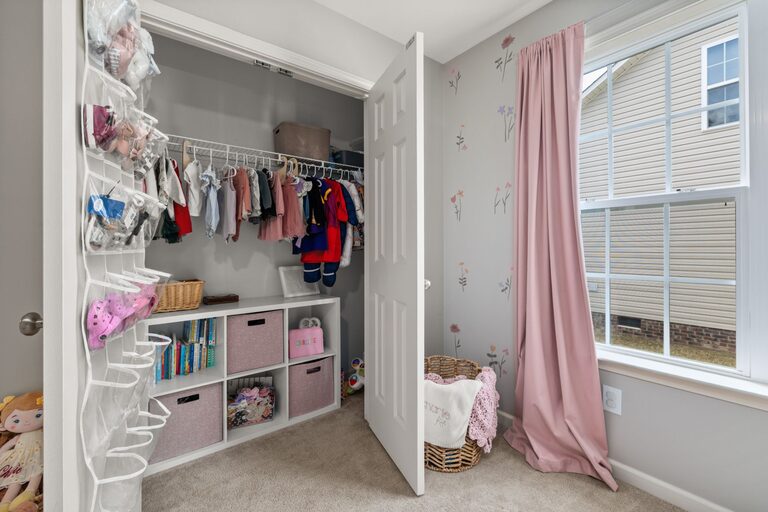
Children’s artwork is a wonderful expression of creativity and imagination. From colorful drawings to handmade crafts, these pieces reflect their growth and personality. However, as every parent knows, the volume of art can quickly become overwhelming, creating clutter and making it hard to preserve those special memories. Keeping kids’ art organized doesn’t have to be a challenge. With some easy strategies and a bit of planning, you can create a system that celebrates your child’s creativity while keeping your home neat and tidy.
Why Organize Kids’ Art?
Before diving into practical tips, it’s helpful to understand why organizing your child’s art collection matters:
– Preserves memories: Artwork captures different stages of your child’s development and creativity.
– Reduces clutter: Helps prevent piles of paper and crafts from taking over your space.
– Encourages pride and motivation: A neat display or storage system shows your child that their work is valued.
– Simplifies sharing: Makes it easier to share pieces with family or use them for gifts.
Now, let’s explore some effective ways to keep kids’ artwork under control.
Create a Dedicated Art Area
Setting up a specific space for creating and managing art projects helps contain the mess and centralize materials.
Tips for an Art Station:
– Use a small table or desk with storage bins or drawers.
– Keep supplies like crayons, markers, paper, scissors, and glue organized.
– Place a bulletin board or magnetic strip to showcase current favorites.
– Make it comfortable and inviting to encourage creativity.
Having a dedicated area means art projects won’t end up scattered around the house, and it’s easier to collect new pieces.
Establish a Sorting and Display Routine
Deciding what to keep, display, or recycle is a key step in managing artwork.
How to Sort Artworks:
- **Daily or weekly review:** Set aside time to go through new creations.
- **Keep favorites:** Select pieces that show special effort, milestones, or your child’s pride.
- **Recycle or repurpose:** Use less significant drawings as gift wrap, cards, or craft material.
- **Involve your child:** Let them choose what to keep to boost their decision-making skills.
Display Ideas:
– Use frames or clipboards on a rotating art wall.
– Hang a string with clothespins to easily swap out new pieces.
– Create a digital slideshow or photo collage on a screen or smart device.
Changing displays regularly keeps things fresh and helps limit how many pieces stay up at one time.
Use Storage Solutions Wisely
When you decide to keep artwork, proper storage helps protect and organize it long-term.
Practical Storage Options:
– Portfolios: Large, flat folders are ideal for drawings and paintings.
– Binders with plastic sleeves: Great for smaller or standard-sized papers.
– Storage boxes: Label boxes by year or child to keep crafts and bulky items.
– Digital archives: Photograph or scan artwork to create an electronic collection that’s easy to organize and share.
Tips for Storage Success:
– Include dates and notes about each piece for context.
– Keep storage in a dry, accessible place.
– Periodically review stored items to decide if some can be recycled or gifted.
Make Art Projects Functional
Transforming art into useful items is a fun way to preserve memories and reduce clutter.
Ideas to Try:
– Turn drawings into calendars, greeting cards, or notebooks.
– Use artwork to decorate homemade gifts or wrapping paper.
– Have favorite pieces printed on mugs, t-shirts, or pillows.
– Create a photo book or yearbook with scanned artwork.
This approach adds value to the art and keeps it out of storage boxes.
Encourage Digital Organization
Technology offers many tools to help catalog and enjoy your child’s art collection.
Getting Started:
– Use apps or photo storage platforms to organize images by date or theme.
– Record short videos of your child explaining their artwork.
– Share digital galleries with family members without sending physical copies.
Digital archives reduce physical clutter and make it easier to revisit memories anytime.
Tips for Involving Your Child
Including your child in organizing their art builds responsibility and makes the process more meaningful.
– Let them pick pieces for display or storage.
– Encourage storytelling about their creations.
– Set limits together on how much to keep.
– Make organizing a regular, fun activity rather than a chore.
Final Thoughts
Keeping kids’ art organized helps maintain a tidy home and celebrates your child’s creativity. By creating dedicated spaces, sorting regularly, using smart storage, and embracing digital tools, you can preserve cherished memories while managing clutter. Remember, the goal isn’t to keep every single item but to honor your child’s artistic journey in a way that works for your family.
Try these tips, and watch how simple it becomes to keep your child’s art both organized and appreciated!