
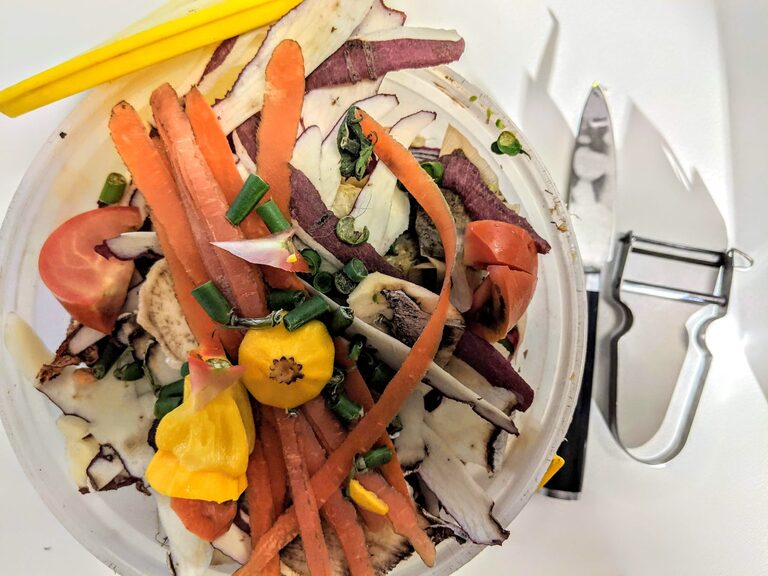
Reducing food waste at home is an effective way to save money, minimize environmental impact, and make the most of the food you buy. Whether you’re cooking for one or a whole family, small changes in how you shop, store, and use food can lead to big results. This post will guide you through practical steps to cut down on food waste and develop smarter habits in your kitchen.
Why Reducing Food Waste Matters
Food waste contributes significantly to environmental problems such as greenhouse gas emissions and resource depletion. When food is thrown away, all the water, energy, and labor used to produce it goes to waste as well. By minimizing food waste, you reduce your ecological footprint and support a more sustainable lifestyle.
Plan Your Meals Thoughtfully
One of the best ways to reduce waste is to plan meals before you shop:
– Make a shopping list: Check your pantry and fridge to avoid buying duplicates.
– Plan a weekly menu: Choose recipes that use similar ingredients to maximize their use.
– Buy only what you need: Stick to your list and avoid impulse purchases that might go unused.
This helps you purchase exactly what you’ll consume, reducing the chances of food spoiling before you get to it.
Smart Grocery Shopping Tips
When shopping, try these tips to prevent waste:
– Shop more frequently but buy less: This way, you get fresher food and avoid stockpiling perishables.
– Buy loose produce: Choose the exact amount you need instead of pre-packaged quantities.
– Check expiration dates: Pick items with later sell-by dates if you don’t plan to use them quickly.
– Choose imperfect produce: Many stores sell “ugly” fruits and vegetables at discounts—they’re still perfectly good to eat.
Proper Food Storage Makes a Difference
Storing food correctly can extend its freshness and usability:
– Use airtight containers: Keep leftovers and opened goods sealed to slow spoilage.
– Understand fridge zones: Store meats on the bottom shelf (coldest), fruits and veggies in designated drawers.
– Keep herbs fresh: Wrap them in damp paper towels or store upright like flowers.
– Freeze extras: Freeze bread, meat, cheese, or leftovers before they spoil, and label them with dates.
Use Leftovers Creatively
Leftovers don’t have to be boring. Here are ways to put them to good use:
– Reinvent meals: Use leftover meats and veggies in stir-fries, soups, or sandwiches.
– Make stock: Save vegetable scraps and bones to make homemade broth.
– Portion control: Freeze individual servings so you can thaw just what you need later.
Monitor Food Waste Regularly
Keep track of what you throw away to identify problem areas:
– Keep a waste diary: Note which foods spoil most often.
– Adjust shopping habits: Avoid buying items you consistently waste.
– Set reminders: Use apps or calendar alerts to use food before it expires.
Compost What You Can’t Eat
Food scraps that aren’t suitable for eating can still be recycled:
– Start a compost bin: Compost vegetable peels, coffee grounds, and eggshells.
– Community compost programs: If you don’t have space at home, many cities offer compost drop-offs.
– Use compost in your garden: It enriches soil and reduces landfill waste.
Educate Your Household
Getting everyone on board can multiply your impact:
– Share tips: Teach family members about food waste reduction strategies.
– Cook together: Plan meals as a group to ensure everyone’s preferences are considered.
– Serve reasonable portions: Encourage taking smaller servings with the option of seconds.
Final Thoughts
Reducing food waste at home is easier than you might think. With mindful planning, smart shopping, proper storage, and creativity in the kitchen, you can save money and help the planet. Start small, build good habits, and enjoy the benefits of a more sustainable and efficient kitchen.
By taking these steps, you contribute to a healthier environment while making the most of your food. Give these tips a try and watch how much less you throw away!