
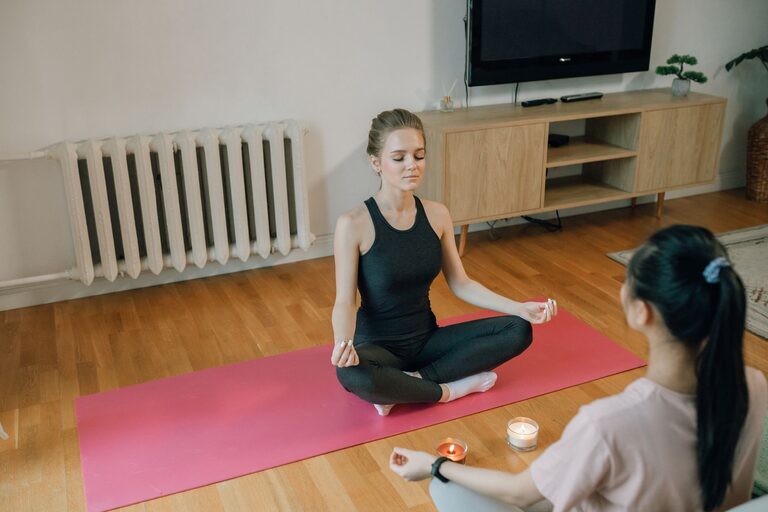
Taking mindful breathing breaks is an easy and effective way to boost your mental clarity, reduce stress, and improve overall well-being. These short pauses allow you to reconnect with your body and mind, helping you stay calm and focused throughout your day. If you’re new to mindful breathing, this guide will walk you through beginner-friendly tips to make the most of your breaks.
What Is Mindful Breathing?
Mindful breathing is the practice of paying close attention to your breath without trying to change it. It involves observing the natural flow of your inhales and exhales, grounding yourself in the present moment. This simple act can calm your nervous system and reduce feelings of anxiety or overwhelm.
Why Take Mindful Breathing Breaks?
Incorporating mindful breathing breaks into your daily routine offers several benefits:
– Reduces stress and anxiety
– Improves concentration and mental clarity
– Lowers blood pressure
– Enhances emotional regulation
– Boosts overall mood
Even a few minutes of focused breathing can make a difference in how you feel.
Getting Started: Beginner Tips for Mindful Breathing Breaks
1. Choose a Comfortable Spot
Find a quiet and comfortable place where you can sit or stand without distractions. This could be your desk, a cozy corner, or even outside in nature. If sitting, keep your back straight but relaxed.
2. Set a Timer (Optional)
If you’re just beginning, it helps to set a timer for 2 to 5 minutes. This allows you to focus on your breath without watching the clock, making it easier to relax.
3. Focus on Your Natural Breath
Close your eyes if you’re comfortable doing so. Begin by noticing your breath as it naturally flows in and out. Don’t try to change its rhythm; simply observe.
4. Use Your Senses to Anchor Attention
Pay attention to how the air feels entering your nostrils or how your chest and belly rise and fall. Engaging your senses keeps your mind from wandering.
5. If Your Mind Wanders, Gently Return
It’s normal for thoughts to distract you. When you notice your mind drifting, kindly bring your focus back to your breath without judgment.
6. Try Counting Your Breaths
Counting each inhale and exhale up to five can help maintain focus. For example, inhale (count 1), exhale (count 2), and so on until you reach five, then start over.
7. Experiment with Breathing Techniques
Once comfortable with basic mindful breathing, you can try simple techniques such as:
– Box Breathing: Inhale for 4 seconds, hold for 4, exhale for 4, hold for 4. Repeat.
– 4-7-8 Breathing: Inhale for 4 seconds, hold for 7, exhale slowly for 8 seconds.
These methods help deepen relaxation but shouldn’t cause discomfort.
Incorporating Mindful Breathing Breaks Throughout Your Day
Start Your Morning Mindfully
Spend a few minutes breathing deeply upon waking. This sets a calm tone for the day ahead.
Use Breaks at Work
Replace scrolling through your phone with mindful breathing during short breaks. Even 2-3 minutes can refresh your mind.
Before Stressful Events
Take mindful breaths before meetings, presentations, or challenging conversations to ease nerves.
Wind Down in the Evening
Practice mindful breathing before bedtime to help relax your body and prepare for sleep.
Tips for Maintaining a Consistent Practice
– Schedule reminders: Use phone alarms or calendar alerts.
– Create a routine: Attach mindful breathing to daily habits like brushing your teeth.
– Be patient: Benefits increase with regular practice over time.
– Stay comfortable: Adjust your posture or environment as needed.
– Keep it simple: No fancy equipment or apps are necessary.
Common Questions for Beginners
Can Mindful Breathing Help with Anxiety?
Yes, mindful breathing activates the body’s relaxation response, which can reduce symptoms of mild anxiety and improve emotional balance.
How Long Should I Practice Each Day?
Start with 2-5 minute sessions. Gradually increase to 10-15 minutes if you wish, but even brief moments are beneficial.
Do I Need to Meditate to Practice Mindful Breathing?
No. Mindful breathing can be done anytime and anywhere without a formal meditation session.
Final Thoughts
Mindful breathing breaks offer a simple, accessible way to support your mental and emotional health. By dedicating just a few moments each day to focus on your breath, you can cultivate calmness, improve focus, and manage stress more effectively. Remember, the key is consistency and kindness toward yourself as you develop this healthy habit.
Try incorporating these beginner tips into your daily routine, and enjoy the peaceful benefits mindful breathing has to offer.