
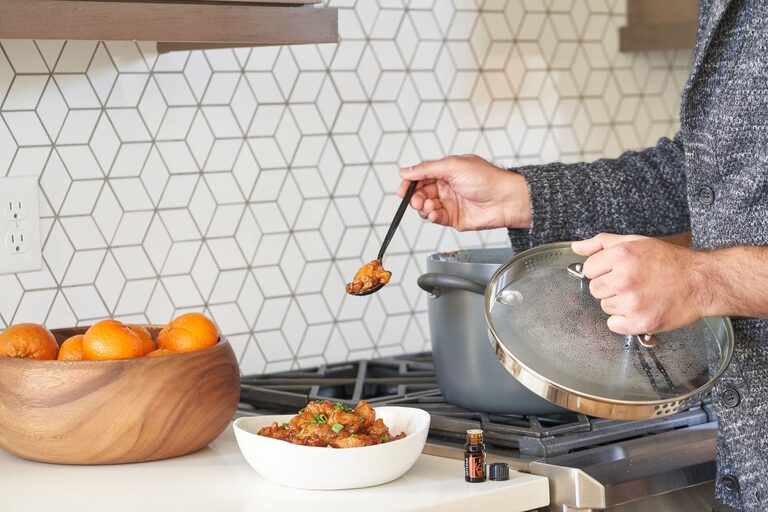
If you’re new to slow cooking, a slow cooker can become your best kitchen friend. It offers a convenient way to prepare delicious meals with minimal hands-on time. This beginner guide will walk you through the basics of using a slow cooker, including tips, safety guidelines, and recipe ideas to help you get started.
What Is a Slow Cooker?
A slow cooker, also known as a crockpot, is an electric countertop appliance that cooks food at low temperatures over several hours. It uses a ceramic or metal pot surrounded by a heating element. This method allows flavors to develop slowly and helps tenderize tougher cuts of meat.
Advantages of Using a Slow Cooker
– Convenience: Prepare ingredients in the morning and have a hot meal ready by dinnertime.
– Energy Efficient: Uses less electricity than an oven or stovetop.
– Flavorful Results: Slow cooking enhances the taste and texture of many dishes.
– Hands-Off Cooking: Once set, you don’t need to stir or watch your meal.
– Healthy Options: You can easily make nutritious meals with fresh ingredients.
Choosing the Right Slow Cooker
When selecting your first slow cooker, consider these factors:
– Size: Slow cookers come in various sizes, typically 3 to 7 quarts. A 4-to-6-quart size is versatile for most families.
– Shape: Oval pots are better for whole chickens or roasts; round pots work well for soups and stews.
– Settings: Most slow cookers have at least two heat settings (low and high), and some include a “keep warm” function.
– Programmability: Advanced models have timers and programs to start and stop cooking automatically.
How to Use a Slow Cooker: Step-by-Step
1. Prepare Your Ingredients
Chop vegetables, trim meat, and measure spices before adding them to the slow cooker. For best results, avoid adding too much liquid, as slow cooking requires less than traditional stovetop methods.
2. Layer Ingredients Wisely
Place root vegetables like carrots or potatoes at the bottom since they take longer to cook. Add meat on top, and then other vegetables. This helps ensure even cooking.
3. Choose the Correct Setting
– Use Low for longer cooking times (6-10 hours).
– Use High for shorter cooking times (3-5 hours).
If a recipe isn’t clear, low and slow is usually safest.
4. Cover and Cook
Place the lid securely on the slow cooker. Avoid lifting the lid during cooking unless necessary, as heat escapes and extends cooking time.
5. Finish and Serve
Check that meat reaches a safe internal temperature using a food thermometer. If the meal needs thickening, remove the lid near the end and cook on high for a while to reduce the liquid.
Slow Cooker Safety Tips
– Don’t Overfill: Fill the slow cooker between half and three-quarters full for best results.
– Use Fresh Ingredients: Avoid using perishable items that have been sitting out.
– Handle Hot Components Carefully: The pot and lid get very hot during cooking.
– Clean Properly: Wash the removable pot and lid thoroughly after each use.
– Avoid Sudden Temperature Changes: Let the pot cool before washing to prevent cracking.
Easy Slow Cooker Recipes for Beginners
1. Classic Beef Stew
– 2 lbs beef chuck, cut into cubes
– 4 carrots, sliced
– 3 potatoes, diced
– 1 onion, chopped
– 2 cups beef broth
– Salt, pepper, and herbs to taste
Layer veggies and beef, pour broth over, cook low for 8 hours.
2. Chicken and Rice
– 4 boneless, skinless chicken breasts
– 1 cup long-grain rice
– 2 cups chicken broth
– 1 cup mixed vegetables
– Season with garlic powder and paprika
Place chicken at bottom, add rice and broth, top with vegetables. Cook on low for 6 hours.
3. Vegetarian Chili
– 2 cans beans (black, kidney, or pinto)
– 1 can diced tomatoes
– 1 bell pepper, chopped
– 1 onion, diced
– 2 cloves garlic, minced
– Chili powder and cumin to taste
Combine ingredients and cook on high for 4 hours or low for 7-8 hours.
Troubleshooting Common Issues
– Food is undercooked: Check your slow cooker’s temperature and adjust cooking time. Low setting usually requires 8 hours or more.
– Food is too watery: Remove the lid near the end and cook on high to reduce excess liquid.
– Burning or sticking: Make sure to add enough liquid and avoid cooking on high for too long with small amounts of food.
Cleaning and Maintenance
After your meal, unplug the slow cooker and let it cool. Remove the inner pot and wash it with warm, soapy water. The lid can also be washed or placed in the dishwasher if it’s dishwasher safe. Wipe the main body with a damp cloth but avoid submerging it in water.
Final Tips for Slow Cooker Success
– Use fresh herbs near the end of cooking for bright flavor.
– Brown meat before adding to enhance taste and color (optional).
– Keep a variety of slow cooker recipes handy to avoid mealtime boredom.
– Experiment with different cuts of meat and vegetables to find your favorites.
With some practice and patience, your slow cooker will help you prepare hearty, satisfying meals with less stress. Enjoy the convenience and delicious results of slow cooking!